“Should we be on TikTok?” is the question we get asked more than almost any other, usually right after someone’s dropped a slide of competitor screenshots on the table. It’s the wrong question to lead with, and that’s coming from a team that spends most weeks living inside content calendars, ad accounts and creator briefs across half a dozen platforms at once. The real question isn’t which platform your brand should be on. It’s whether you can actually show up there, consistently, with content worth the algorithm’s time.
Reach means nothing if you are measuring it at the wrong stage of the funnel
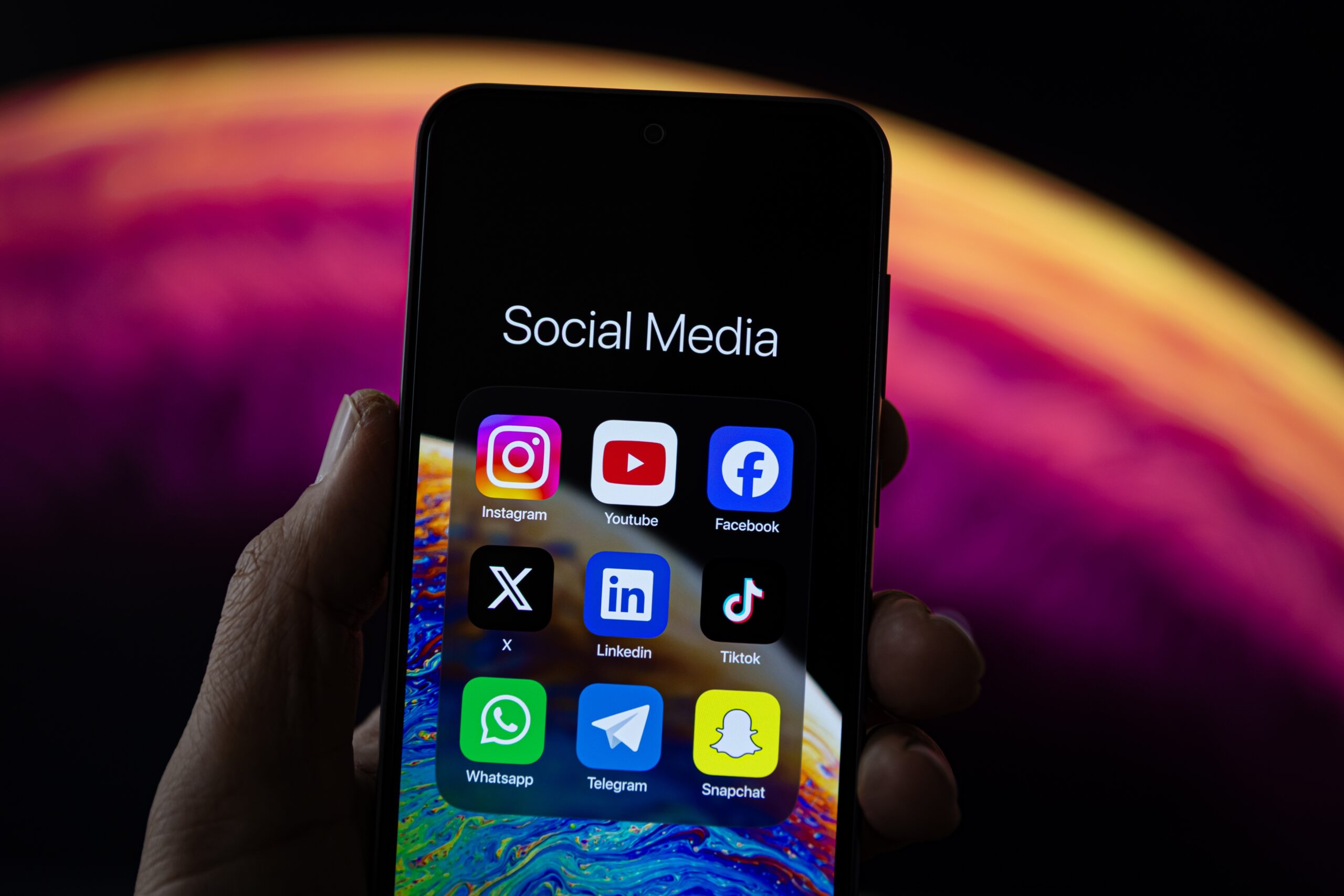
TikTok now reaches 10.9 million Australian adults, up 13.9% YoY (DataReportal, Digital 2026: Australia), the fastest growth of any major platform locally, which makes it a genuine discovery channel, not a trend we’re borrowing from overseas. Pinterest’s Australian audience has grown to 5.68 million (DataReportal, Digital 2026: Australia), and its monthly users are some of the highest-intent audiences we work with, especially in home, beauty and fashion, because they’re there planning a purchase, not just scrolling. Meta remains the workhorse for community and retention. None of that shifts because a platform is trending. It shifts based on where your customer is actually making decisions.
Pattern Australia hosted a webinar on The Future of Social Commerce where our social team will discussed how to drive customer acquisition and conversion through scalable content. Watch it on demand here.
For a full breakdown of where each platform sits in the funnel, read our social commerce playbook.
What works for a fashion brand won’t work for homewares
We’ve watched two brands in completely different categories ask for the exact same platform mix, and it’s rarely the right call for both. According to Pattern’s 2026 Marketplace Consumer Report, six in 10 Australian shoppers take some action, a search, a click-through, a visit to a retailer site, after seeing a product on social media, and half go on to visit a brand’s D2C website as a result. . Australian brands spent $830 million on influencer and creator content over the past year, up 13.5% (Meltwater and We Are Social, via Mumbrella), with the market on track to pass $1 billion in 2026. What that spend needs to look like is different for a fashion brand than it is for a wellness or homewares brand, and that’s before a single piece of content gets made.
The platform decision is actually a resourcing decision
Here’s what most platform strategy decks leave out: picking the platform is the easy 10%. The other 90% is whether you can feed it, every week, not just for launch month. Between weekly reporting, ad refreshes and approvals across multiple accounts, the ones that win aren’t the ones with the best channel strategy on paper. They’re the ones with a content engine that doesn’t run dry: a steady supply of UGC, creator content and paid-ready assets that can flex across formats instead of starting from zero every time.
Ask yourself the following:
- Can you brief and turn content around weekly, not just for hero campaigns?
- Do you have a creator or affiliate pool beyond your top five favourites?
- Is paid social getting fresh creative often enough to stop fatigue killing performance?
Here’s a rough benchmark for what feeding it well actually looks like by platform:
Platform | What feeding it well looks like |
TikTok | 3-5 videos a week, consistently, is the benchmark for staying visible to the algorithm |
Instagram / Meta | 3-5 feed posts a week plus regular Stories is the range that holds reach |
3-5 fresh Pins a week to start, scaling up for high-volume ecommerce catalogues |
Benchmarks draw on Socialinsider’s 2026 Social Media Benchmark Report, Buffer’s posting frequency guide and Tailwind’s Pinterest posting guide.
If the answer to any of the above is no, the platform choice was never the hard part.
Peak is coming, and this is exactly when platform gaps get expensive
We often see the same thing happen heading into peak: a brand decides in September it should probably be doing more on TikTok, and there’s no runway left to build a creator base or seed content before Black Friday. Australians spent $23.8 billion over the Black Friday fortnight last year, up 4.6% on the year before, with online sales alone up 9.3% (CommBank iQ). Platform and content decisions need to be locked in well before peak, not scrambled together once the calendar forces the conversation. Get the platform right but the content pipeline is late, and you haven’t launched a channel. You’ve launched a liability.
The brands that get this right treat platform strategy and content capacity as one decision, not two. That’s the gap Pattern’s Creators model, UGC, in house content team and influencer network exist to close, giving brand teams the always-on content supply that makes a platform decision actually pay off, especially with peak on the horizon. So next time the question is “should we be on this platform,” ask the better one first: who’s going to keep it fed?
Pattern works with Australian brands to close exactly this gap, matching platform strategy to content capacity so the decision holds up past launch month. Get in touch to talk through yours.