Australia’s marketplace landscape has entered a new era.
Pattern’s 2026 Marketplace Consumer Report reveals a structural shift in how Australians discover, evaluate and purchase products – and it is the global platforms that are winning.
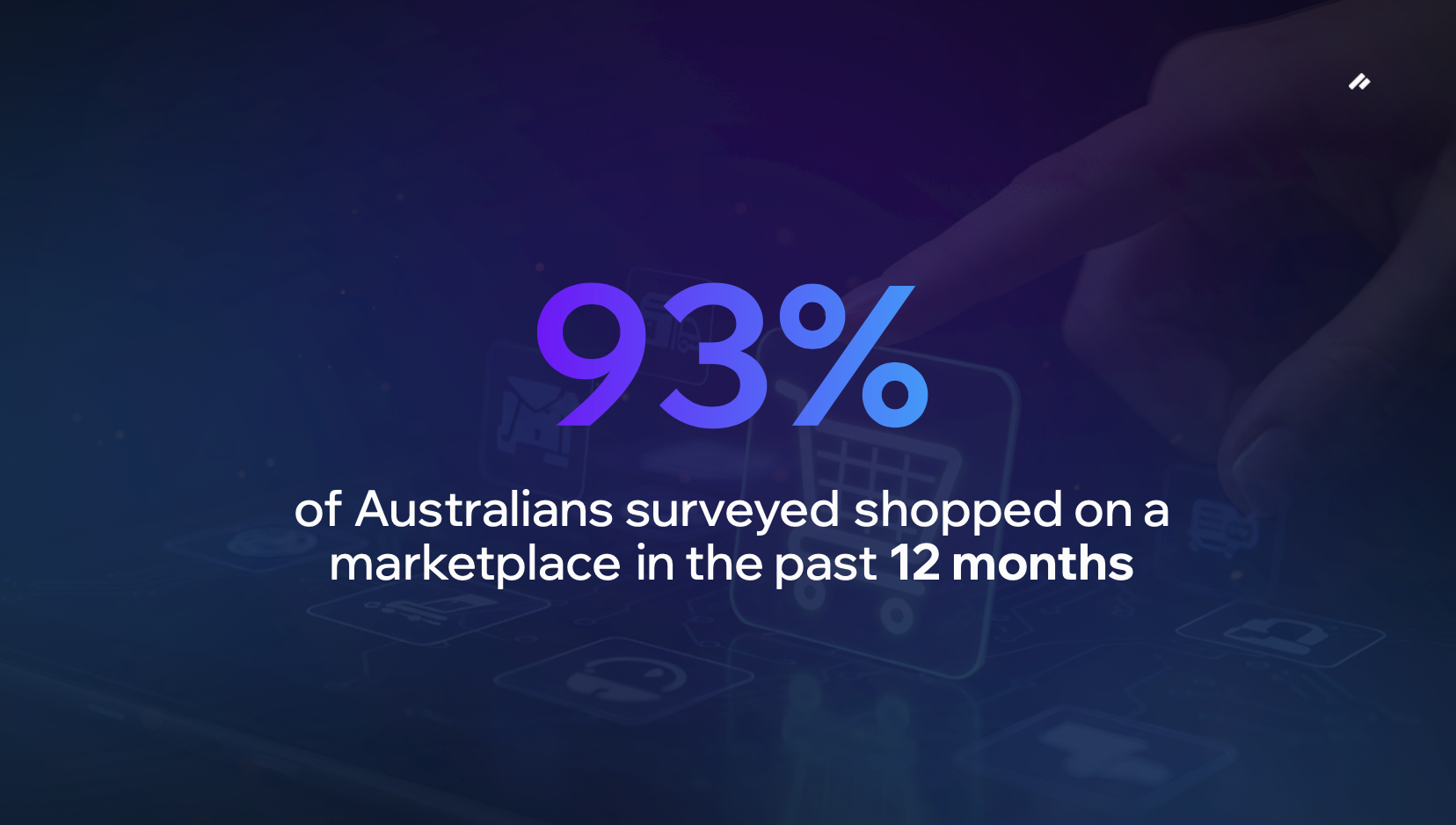
With 93% of Australians shopping on marketplaces in the past 12 months, the question for brands is no longer whether to participate, but how to compete and retain control in a rapidly consolidating environment.
Here’s what you need to know.
Marketplaces Are Now the Centre of Brand Growth
Marketplaces are no longer a secondary channel – they sit at the centre of the consumer journey.
Amazon, in particular, has entrenched itself as the benchmark for range, trust, convenience and repeat purchasing. 60% of Australian consumers surveyed purchased on Amazon in the past year, and 66% plan to shop there in the next 12 months – the strongest future intent of any platform.
Managing Director of Pattern Australia, Merline McGregor, explains:
“This isn’t a temporary cycle – it’s a structural shift. International scale, logistics sophistication and global ecosystems are reshaping the Australian marketplace sector.”
With the closures of Catch and MyDeal, and Kogan declining to 15% shopper usage (down 6% YoY), the era of strong local marketplace competition is under significant pressure.
Amazon Extends Its Lead (and Moves Beyond Price)
Amazon now reaches 8.8 million active Australian shoppers and continues to expand its influence beyond conversion.
Price is no longer the sole motivator. In fact, price-driven purchasing on Amazon has fallen 42%. Instead, shoppers cite the following as key motivators.
- Speed of delivery (35%)
- Prime benefits (31%)
- Overall preference for Amazon (28%)
- Trusted product reviews (24%)
Convenience is king. One in three Australians now choose marketplaces primarily for ease of use and delivery speed, and 36% of Amazon shoppers say convenience is their main reason for purchase.
Amazon is increasingly the moment of decision, not just consideration.
Temu and Shein: From Disruptors to Serious Contenders
Temu and Shein are reshaping expectations – and rapidly rebuilding trust.
- Temu now serves 4.7 million Australians, with 47% purchasing in the past year and A$2.6 billion in sales last financial year.
- Shein has grown 15% YoY, lifting usage to 30% of Australians.
Most notably, trust perceptions have surged:
- Temu recorded a 50% increase in product quality and trust sentiment.
- Shein saw a 36% uplift.
Both platforms are expanding beyond fashion into lifestyle, beauty, home and adjacent categories – shifting from low-cost disruptors to credible, long-term marketplace players.
Discovery Is Fragmenting, But Conversion Is Consolidating
Product discovery is no longer linear.
- 54% of shoppers begin product searches on Google, boosted by AI-generated answers.
- Social media is the fastest-growing starting point, with 67% more consumers beginning product research on social platforms compared to last year.
- 78% of Australians are active on social media, and social commerce momentum is building ahead of TikTok Shop’s launch.
However, while discovery fragments, conversion consolidates.
Marketplaces – particularly Amazon – remain where intent is validated, and final purchase decisions are made.
Amazon is also becoming a discovery engine in its own right. Nearly half of the consumers surveyed report visiting a brand’s website after first discovering it on Amazon – positioning the platform as both a dem and driver and referral engine.
Category Winners and Competitive Pressure
The report highlights clear category strongholds:
Amazon dominates:
- Books & eBooks (30%)
- Electronics & Computer (25%)
- Clothing, Shoes & Accessories (22%)
Temu and Shein lead in fashion and adjacent growth categories.
eBay and Kogan, meanwhile, are losing ground in traditional strongholds such as electronics and automotive.
As consolidation accelerates, platforms that combine range, value and consistent customer experience are capturing disproportionate share.
Control is the New Competitive Advantage
As marketplaces become the primary point of decision, brand control becomes critical.
Negative experiences are rising where brands lack distribution oversight, including:
- Buy Box absence
- Counterfeit items
- Expired products
- Incorrect packaging or imagery
Many brands that believe they are “not on Amazon” are already present via unauthorised sellers, thereby exposing them to commercial and reputational risk at the exact moment consumers are making decisions.
In 2026, winning brands will treat marketplaces as a core component of their go-to-market strategy, not a secondary channel.
The Strategic Imperative for 2026
The opportunity is significant – but so is the risk.
With nearly every Australian shopping on marketplaces and global giants consolidating their position, sustainable growth depends on:
- Strategic marketplace governance
- Category-specific optimisation
- Pricing and distribution control
- Leveraging marketplaces as both demand and discovery engines
As marketplaces consolidate and competition intensifies, more than presence, brands need precision.
If you’re ready to take control of your marketplace strategy, optimise performance and protect your brand, contact us to accelerate your ecommerce journey.
Our team of marketplace specialists can help you unlock sustainable growth in a rapidly shifting landscape.
Download the Full 2026 Marketplace Consumer Report
For detailed consumer data, category breakdowns, trust trends and strategic recommendations for brands in 2026:
Click here to download your copy of the 2026 Marketplace Consumer Report now.